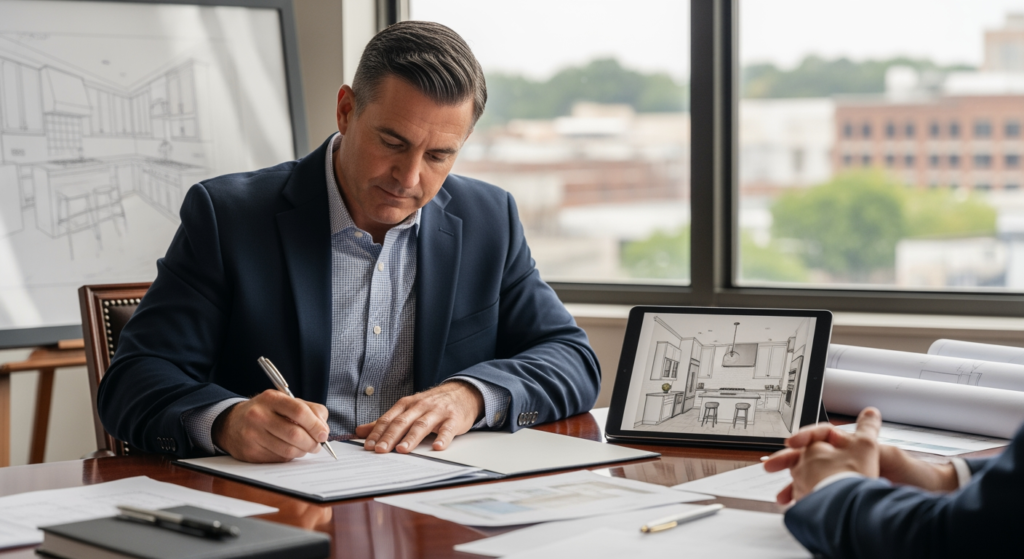
I know how overwhelming a kitchen remodel can feel, so I wrote this to make hiring a kitchen remodeling contractor Athens GA simple and clear. If you’re planning upgrades in Athens, you’ll want facts and practical steps, and you’ll also want to understand how local trends and regulations shape the work. For a snapshot of regional housing and renovation trends that affect budgets and timelines, the U.S. Census is a helpful place to start when researching local statistics and demographics: U.S. Census Bureau.
Why choose a local contractor for a kitchen remodel
Working with someone who knows Athens and the surrounding neighborhoods means they understand local codes, seasonal schedules, and where to source materials quickly. From Downtown Athens to Normaltown and the areas near the University of Georgia, local contractors have relationships with suppliers and subcontractors that keep projects moving. A contractor familiar with the city will also know which permits are typically required and how long inspections take in this area, which reduces surprises and hidden costs.
What to expect during the kitchen remodeling process
A well-run remodel follows clear stages: consultation and design, permitting, demolition, rough mechanical work, installation, finishes, and final inspection. I always recommend mapping this out in writing with milestones and confirmed completion windows. That keeps everyone aligned and gives you a straightforward way to track progress.
Here are the typical phases you’ll see on most remodel projects:
- Planning and design: measurements, layout options, and selections for cabinets, appliances, and finishes.
- Permitting and prep: pulling required permits and ordering long-lead items like custom cabinetry or special countertops.
- Construction: demolition, mechanical and structural work, installation of cabinets and countertops, and finishing touches.
- Final walkthrough: a review of punch-list items and documentation of warranties and care instructions.
Budgeting: realistic costs and how to avoid surprises
Budgeting is where homeowners often feel uncertain. Costs vary widely depending on scope, materials, and whether you’re moving walls or updating cosmetic items. In Athens, labor and materials can be influenced by local demand and supply, and recent trends in material pricing mean it’s smart to lock in quotes for appliances and countertops early.
Here’s a simple way I break down a remodel budget so you can see where money goes and make informed decisions:
- Cosmetic refresh (paint, hardware, lighting): lower budget projects that still modernize a space.
- Cabinet refacing or semi-custom cabinets: a mid-range option that balances cost and a custom look.
- Full gut remodel: highest cost due to structural changes, new mechanicals, custom cabinetry, and high-end finishes.
To avoid cost surprises, get at least three written estimates and confirm what’s included: demolition, disposal, electrical or plumbing changes, disposal fees, and how change orders are handled. A clear contract that spells out payment schedule, timeline, and warranties is essential.
Permits, inspections, and local rules
Most kitchen remodels require permits when you alter electrical, plumbing, or structural elements. Athens has its own permitting process under the county’s building department, and a local contractor will know the usual inspection schedule and lead times. If your project touches historic properties or falls within specific neighborhood guidelines, plan for additional review time. The right contractor handles permits and scheduling so you can focus on design choices instead of code headaches.
Design and material trends to consider now
Two major trends shaping kitchens nationwide are sustainability and intelligent technology, both of which are popular here in the region. Homeowners in this area are choosing low-VOC paints, reclaimed or responsibly sourced woods, and durable surfaces that look great and cut long-term maintenance. Smart appliances and energy-efficient systems are also becoming standard in modern remodels because they add convenience and help with energy costs.
Other trends I’m recommending to homeowners in this city include:
- Open shelving mixed with closed cabinetry for a casual, accessible look.
- Matte or textured finishes that hide fingerprints and soft-gloss wear.
- Multipurpose islands with built-in storage, seating, and designated prep zones.
Choosing finishes that match Athens homes and neighborhoods
Athens homes range from historic cottages near Downtown to newer suburban builds, and the best finish choices respect that character. In older homes, I often recommend shaker-style cabinetry or painted finishes that complement existing woodwork. For newer homes near Oconee County or the growing outskirts, sleeker, contemporary finishes work well. Consider the neighborhood’s aesthetic and the resale market when selecting finishes. Neutral palettes with a few statement elements—like a bold backsplash or unique pendant lighting—perform well across the city.
Key questions to ask when interviewing contractors
Before you sign a contract, you want clarity about the contractor’s process, communication, and guarantees. Asking the right questions reveals how experienced they are with projects in this area and whether their workflow will match your expectations. These questions will help you compare contractors side by side and choose confidently.
- Can you show recent projects completed in Athens or this region, and do you have references?
- How will permits, inspections, and scheduling be handled and communicated?
- What is your projected timeline and key milestones for this size of project?
- How do you manage change orders and unexpected issues that may arise once work starts?
Red flags to watch for
It’s worth noting a few common warning signs: vague or verbal-only estimates, pressure to pay large sums up front, or a contractor who avoids putting warranties in writing. Also be cautious if a contractor can’t provide local references or proof of insurance and licensing. Solid contractors offer clear communication, detailed written proposals, and documented protection for you and their crew.
Actionable planning steps to start your remodel
Start a simple plan to move from idea to reality without getting overwhelmed. These steps are designed to keep momentum while avoiding rushed decisions that cost more later.
- Gather inspiration: take photos of kitchens you like and note what you want to keep or change about your current space.
- Set a clear budget range and prioritize must-haves versus nice-to-haves.
- Interview two to three local contractors and request itemized estimates with timelines.
- Lock in long-lead items early, especially custom cabinets, stone countertops, and specialty appliances.
Following this sequence helps you control the schedule and reduces the likelihood of costly delays. When contractors know your budget and priorities, they can propose realistic design and material choices that deliver the most value for your investment.
How to manage timeline and minimize disruption
Kitchen remodels are disruptive, especially if the kitchen is the hub of your household. A staged approach can keep your home functional: set up a temporary prep area with a microwave, portable cooktop, and mini-fridge in an adjacent room, and plan meals around easy-to-prepare options during peak construction phases. Communicate daily or weekly progress checkpoints with your contractor so you know what to expect and when areas will be accessible again.
Local timing matters: contractors are busiest in spring and summer, so if you want faster scheduling or better pricing flexibility, consider planning for fall or winter. A local contractor will advise on the best windows for permitting and inspection schedules in this area.
Return on investment and long-term value
Kitchen remodels often deliver one of the strongest returns in home improvement, but choices matter. Mid-range upgrades tend to offer the best balance between upfront cost and resale value. Thoughtful, timeless finishes and durable materials increase longevity, reduce future maintenance, and appeal to buyers if you ever sell. Energy-efficient appliances and LED lighting reduce ongoing operating costs and are attractive selling points in today’s market.
When planning, prioritize elements that deliver both daily enjoyment and long-term value—like improved layout for traffic flow, more durable countertops, or better lighting that makes the space feel larger and more inviting.
Top mistakes to avoid
From my experience, the most common mistakes homeowners make are skipping detailed contracts, ignoring ventilation for cooktops, underestimating storage needs, and ordering finishes without seeing samples in their own lighting. Addressing these ahead of time—by asking your contractor to include ventilation plans, confirming storage solutions, and verifying samples at home—will save time and money.
How smart technology and sustainability fit into Athens remodels
Smart home technology is a growing trend and adds convenience and value. Think integrated lighting controls, smart refrigerators, and voice-enabled devices that fit naturally into everyday routines. Sustainability is another major trend: low-embodied-carbon materials, water-efficient fixtures, and locally sourced products reduce environmental impact and often align with local building incentives or rebate programs.
Talk to your contractor about energy-efficient upgrades and whether any local incentives or programs apply—contractors who track these trends can recommend upgrades that make sense for both the planet and your wallet.
Final checklist before you sign
Before committing, confirm these essentials so you start the project with confidence:
- A detailed, written contract with scope, timeline, and payment schedule.
- Proof of insurance, licenses, and local references from projects in this area.
- Clear communication plan and a primary point of contact for questions and updates.
- Warranties, care instructions, and contact info for subcontractors and suppliers involved.
Remodeling a kitchen in Athens should feel exciting, not chaotic. With local knowledge, clear expectations, and an organized plan, you can transform your space into something both functional and beautiful while managing costs and timelines. If you’d like help turning ideas into a realistic plan or want a local team who understands Athens neighborhoods and building practices, consider reaching out to a trusted local firm to discuss your goals.
Ready to get started? Reach out to Tipton’s Fine Tuned Carpentry for a consultation on kitchen remodeling in Athens GA and the surrounding areas.