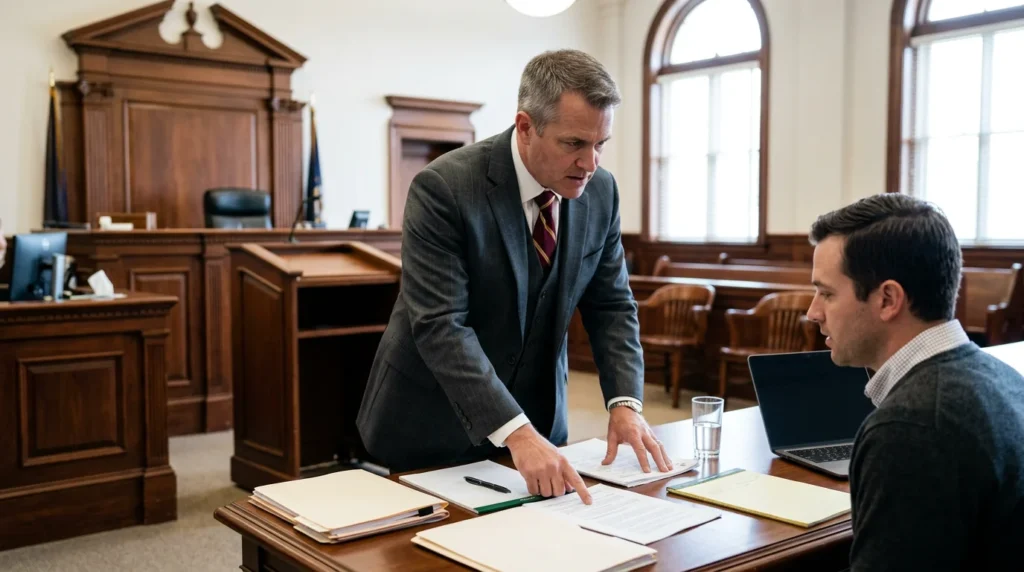
Quick answer: Call a criminal defense attorney as soon as you think you may be investigated, questioned, or charged—before you give a statement, consent to a search, or accept a plea offer. Early legal help can protect your rights, preserve evidence (like video or phone data), and prevent missteps at bond hearings, arraignment, and pretrial negotiations. Waiting can limit options and make your case harder to defend.
Situations That Should Trigger a Call Right Away
Call immediately if police ask to “clear something up,” want to interview you, show up at your home or job, or tell you there’s a warrant. That includes traffic stops that might turn into DUI, drug, or weapons allegations, and any request to search your car, phone, or house. A quick conversation with a lawyer can help you avoid accidentally giving the state evidence it didn’t already have.
If you’ve been arrested or received a ticket with a court date, don’t wait for the first hearing. The first 24–72 hours often matter for bond conditions, no-contact orders, and preserving time-sensitive evidence like surveillance footage. If you’re looking for a criminal defense attorney Anderson SC, get the call in early so someone can start protecting your position before paperwork and deadlines pile up.
Also call if you’re contacted by a detective, a school resource officer, probation, or DSS in a way that could lead to criminal charges. Even “informal” conversations can be used later, and you usually don’t get a do-over.
What a Defense Lawyer Can Do Early That You Can’t Easily Fix Later
Early representation is about controlling damage and building leverage. A lawyer can advise you on what to say (or not say), communicate with law enforcement on your behalf, and push for a reasonable bond plan that keeps you working and at home. They can also help you comply with bond conditions so you don’t pick up new charges for violations.
Timing matters for evidence. Video systems commonly overwrite footage in days or weeks, and witnesses’ memories fade fast. A lawyer can send preservation requests, identify helpful recordings (store cameras, dash cams, body cam), and start collecting documents and messages before they disappear or get misinterpreted.
Early review also helps spot legal issues like unlawful searches, weak probable cause, or problems with field sobriety or testing procedures. Raising these issues at the right time can change negotiations and, in some cases, support motions to suppress evidence.
How to Choose the Right Attorney for Your Charge
Ask who will handle your case day-to-day and how communication works. You want clear expectations: how quickly calls are returned, whether you’ll get copies of key documents, and how decisions like plea offers will be discussed. A good fit feels straightforward, not rushed or vague.
Look for practical familiarity with the charge type and the local court process. DUI, domestic violence, drug charges, and probation violations each have their own pressure points—testing, protective orders, treatment requirements, or compliance history. Ask what early steps they typically take for your kind of case, and what deadlines you should be aware of.
Bring a timeline and paperwork to the first meeting: tickets, bond paperwork, incident reports you’ve received, and names of potential witnesses. If you have videos, screenshots, or call logs, keep them intact and avoid editing; save copies in a safe place.
If you need help getting started, Dunaway Law Firm, LLC can walk you through the next steps and what to do before your first court date.