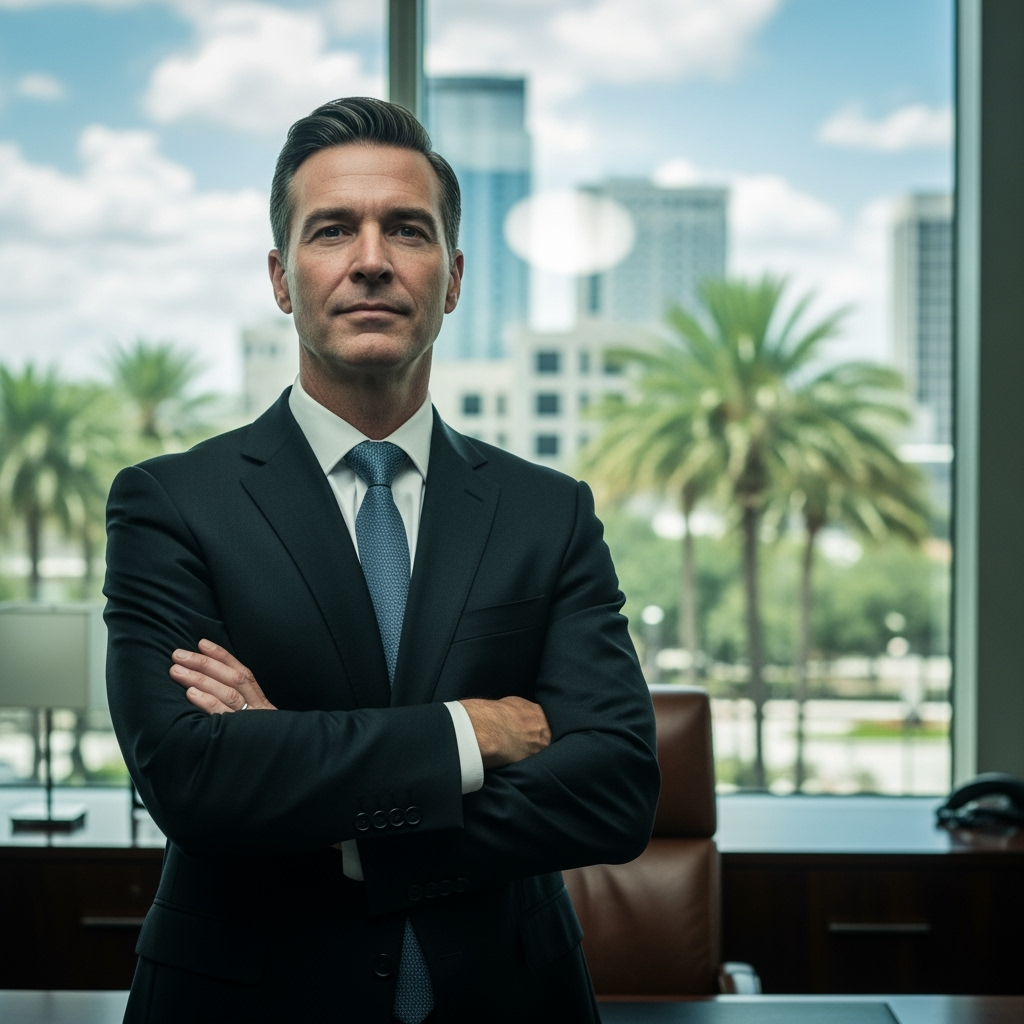
When your life is suddenly upended by an arrest or a looming charge, you need straight answers and decisive help. I know how frightening that can be, and that’s why it’s important to find an experienced violent crimes attorney in Orlando, FL right away. For reliable local crime data and trends you can check the Florida Department of Law Enforcement, which tracks crime patterns across the state and in Orange County.
What counts as a violent crime in this area
In Orlando and throughout Florida, violent crimes typically involve physical harm or the threatened use of force. Common examples include assault and battery, aggravated assault, armed robbery, sexual battery, homicide, and domestic violence. Some cases that start as misdemeanors can be charged as felonies if weapons, severe injuries, or repeat offenders are involved. The charges you face shape everything that follows — from bail to sentencing — so understanding the category and possible penalties matters.
Why you need a specialized violent crimes attorney
Violent crime cases are more than paperwork and court dates. They usually involve complex evidence: witness statements, medical reports, ballistic and DNA analysis, video footage, and police body-cam records. Prosecutors prioritize violent offenses and often push for high bail and strict conditions. A lawyer who focuses on violent crime in Orlando knows the local judges, understands how the state’s prosecutors build their cases, and has strategies to challenge the evidence effectively. I’ve handled cases where early investigation turned a harmful allegation into a defensible issue by identifying weaknesses in the timeline and forensic work.
How charges move through the system in Orange County
After an arrest, the early steps are critical. You’ll see booking, an initial appearance before a judge, and in many cases a first hearing where bail is set. That’s followed by discovery (the exchange of evidence), pretrial motions, plea negotiations, and possibly a trial. In Orlando, cases typically progress through the Orange County court system, and timelines can be affected by caseloads, expert availability, and investigative needs. Being proactive early often leads to better outcomes, whether that means reduced charges, alternative sentencing options, or a full acquittal.
Common defenses in violent crime cases
Defenses vary with the facts, but several approaches come up repeatedly in my work with clients in the city and surrounding neighborhoods like Winter Park, Lake Eola, and Parramore. Key defenses include:
- Self-defense or defense of others when the accused reasonably believed force was necessary to prevent harm.
- Mistaken identity when witnesses or video evidence are unclear or inconsistent.
- Insufficient evidence where the prosecution cannot meet its burden beyond a reasonable doubt.
- Improper police procedure, such as unlawful searches or coerced statements, which can lead to suppressed evidence.
How evidence is challenged
Many cases turn on technical questions: Was the witness’s view obstructed? Were police procedures followed? Is the chain of custody intact for physical evidence? I routinely work with forensic experts and investigators to test the prosecution’s timeline and question the reliability of key evidence. Sometimes a well-timed motion can exclude critical items from trial, forcing the prosecution to reconsider its case.
Immediate steps to take if you or someone you love is arrested
When an arrest happens, what you do in the first hours and days can change the entire case. Act calmly but decisively. Avoid improvising — follow a checklist that protects your rights and preserves evidence.
- Invoke your right to remain silent and avoid detailed explanations to police without a lawyer present.
- Request an attorney immediately and do not sign statements until you’ve consulted counsel.
- Write down your own account of events while memories are fresh, and gather contact information for witnesses.
- Preserve clothing, phone records, messages, and any physical evidence that could help your defense.
How I build a strong defense in Orlando violent crime cases
My approach is investigative and client-focused. I treat every case as unique and pursue the evidence aggressively from day one. That means:
- Ordering and reviewing all discovery — police reports, 911 calls, medical records, and body-cam footage — to find inconsistencies.
- Working with private investigators and forensic experts to replicate or test elements of the prosecution’s claims.
- Challenging improper arrests or violations of rights through pretrial motions that can limit what the jury sees.
- Negotiating with prosecutors when a favorable resolution short of trial is in the client’s best interest.
Negotiation, diversion, and plea options
Not every case needs to go to trial. Depending on the facts and the client’s goals, I explore options like diversion programs, mental health or substance abuse treatment alternatives, reduced charges through plea agreements, or deferred adjudication where available. For violent offenses, prosecutors may be resistant to diversion, but when the person accused has mitigating factors — no prior record, acceptance of responsibility, or compelling evidence gaps — courts and prosecutors can be persuaded to consider alternatives.
Trending issues shaping violent crime cases right now
Two trends are changing how violent crimes are prosecuted and defended locally. First, digital evidence is central: social media posts, timestamped location data, and bystander videos often drive initial charges. Defense counsel must be ready to examine metadata and authentication methods. Second, there’s growing attention to mental health and substance use as factors in violent incidents, which can affect charging decisions and sentencing alternatives. Staying current with these trends helps me advise clients on realistic outcomes and strategic choices.
Local statistics and what they mean for you
Crime statistics for Orange County influence local prosecutorial priorities and courtroom practices. Recent public reporting shows shifts in certain violent crime categories across the state, and prosecutors in this area respond to those patterns. Reviewing official statistics from the Florida Department of Law Enforcement can show whether specific offenses are being prosecuted more aggressively in a given year and help tailor a defense strategy that addresses the prosecutor’s likely concerns.
Pitfalls to avoid that make cases worse
Many defendants unintentionally harm their own cases before counsel can act. Common missteps include giving lengthy statements without counsel present, deleting social media content that may then be construed as evidence tampering, failing to attend court hearings, and speaking to alleged victims without an attorney. I always advise clients to pause, think, and talk with their lawyer before responding to law enforcement or prosecutors.
How bail, bond, and pretrial conditions work in violent cases
Bail decisions in violent cases often reflect the alleged offense’s severity, prior criminal history, and perceived flight risk. Judges may set higher bail amounts or impose conditions like GPS monitoring, no-contact orders, or travel restrictions. I work to present mitigating evidence to judges at the earliest court appearances — such as community ties, steady employment, and family responsibilities — to reduce bail or secure reasonable pretrial conditions while protecting a client’s liberty and ability to work on their defense.
Preparing for trial and what to expect
Trials are intensive. Jury selection, witness preparation, cross-examinations, expert testimony, and closing arguments require careful planning. I spend time with clients to prepare their testimony, develop themes that resonate with jurors, and anticipate the prosecution’s trial strategy. Even if a full trial isn’t the final path, being ready for trial often strengthens negotiation leverage and can lead to better outcomes.
Frequently asked questions I hear in Orlando
How long will my case take? Timelines vary widely; simple cases might resolve in a few months while complex felony trials can take a year or longer. What if I didn’t do anything wrong? We will test every piece of evidence and pursue dismissal if the prosecution cannot meet its burden. Can my record be sealed later? Some outcomes allow for sealing or expungement under Florida law, but violent felonies often carry longer barriers and stricter eligibility rules. Each situation is different, and I explain practical options early so you can make informed decisions.
Why acting quickly improves results
Time matters. The earlier you involve an experienced attorney, the sooner we can preserve evidence, interview witnesses, and stop mistakes that might otherwise harden the prosecution’s case. Rapid action can also open doors to diversion or alternative sentencing that disappear later. Even if the arrest already happened, we can still take meaningful steps immediately to protect your rights and begin building a defense tailored to your circumstances.
How to evaluate an attorney for a violent crime case
Look for experience specifically with violent felonies in Orange County and nearby courts, a record of trial work, and clear communication about fees, strategy, and expectations. Ask how the attorney investigates cases, whether they use private experts when needed, and how they will keep you informed throughout the process. Trust and transparency are crucial — you should never feel left in the dark about major decisions affecting your freedom.
If you’re dealing with a violent charge in Orlando, you don’t have to navigate the system alone. My team brings focused experience with local prosecutors and judges, and we start by protecting your rights and assessing the evidence thoroughly. When the stakes are high, you need representation that acts quickly, investigates every angle, and fights for outcomes that preserve your future. For help now, contact Criminal Attorney Orlando and let us get to work on your defense.